Imagination, reality and illusion
Frederick says he has trouble distinguishing imagination from reality and asks whether reality exists at all if everyone has a perspective.
The Wonders say that as an incarnated human being he does have a reality: time and space exist, gravity exists, a severed arm does not grow back — these define his existence and can be taken to the bank.
From their perspective, however, this is illusion, because they see him as energy formed into a human being rather than as an absolute physical being.
Opening him to the awareness that part of his reality is illusion leads him to make choices he never would have made while holding it as real.
To change that reality they had to fuel his imagination, because he could previously only imagine himself within the terms of his reality — never, for instance, growing a limb.
Now his mind and his self are beginning to imagine more, opening new choices within the reality defined by his mind, by himself and by his core beingness.
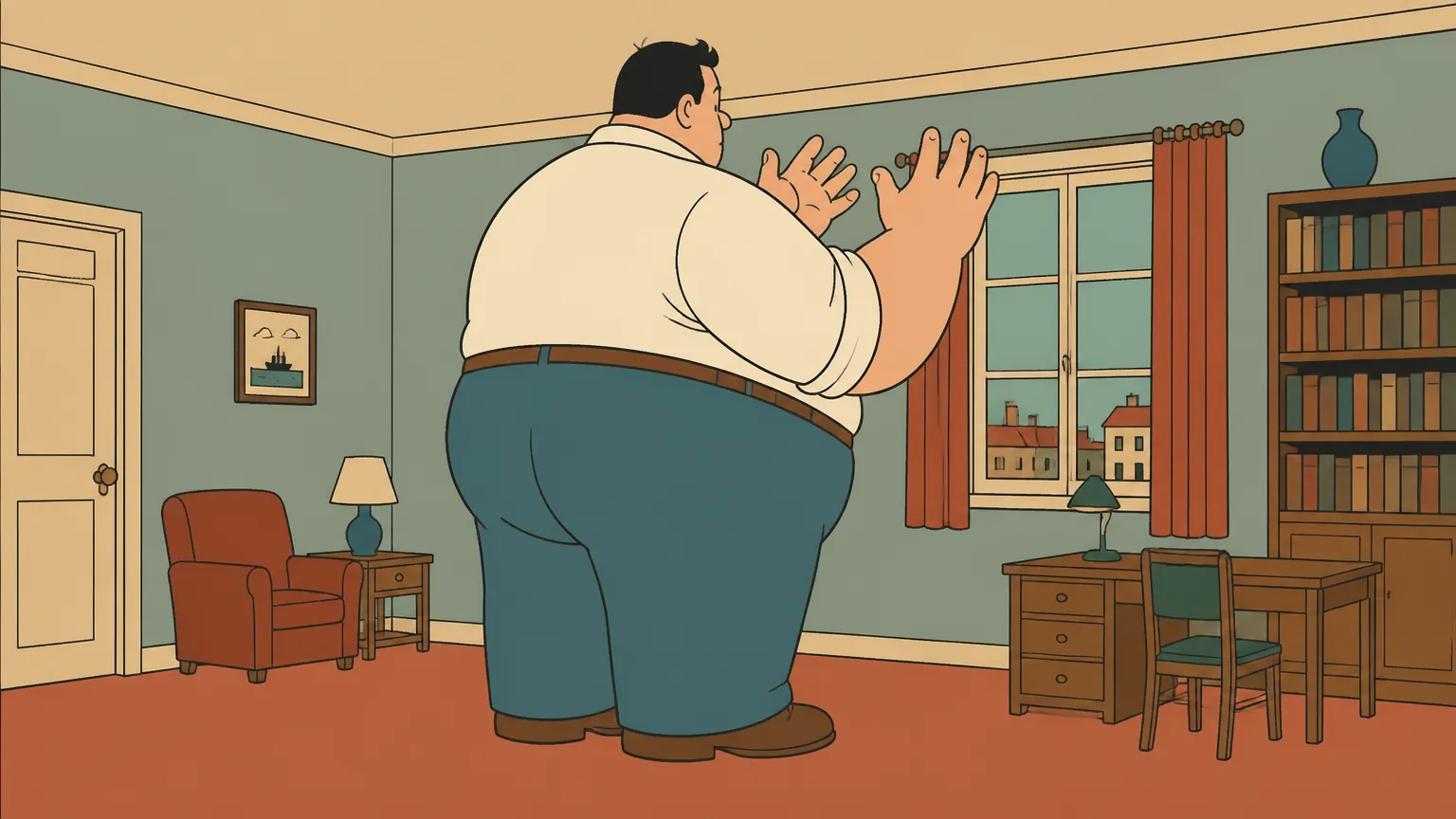
Asked why he sometimes feels his body is too small for him, they confirm he has an expansive sense of self contained in a small vessel: he could enlarge the body to 400 or 500 pounds, with all the attendant difficulties, or he could see himself as an interconnected energy being, enjoying the littleness of the body while enjoying his expansiveness as energy, and imagine himself beyond the body into a reality where different choices are possible.
They tell him that in other lifetimes he has flirted with this rather than actually played with it — flirting being a wink and a nudge, playing being real involvement — and that it is time to get involved.