Session 8 — March 2009
Asimaya: what it does and why a technique was given at all ▶ Play excerpt12:40
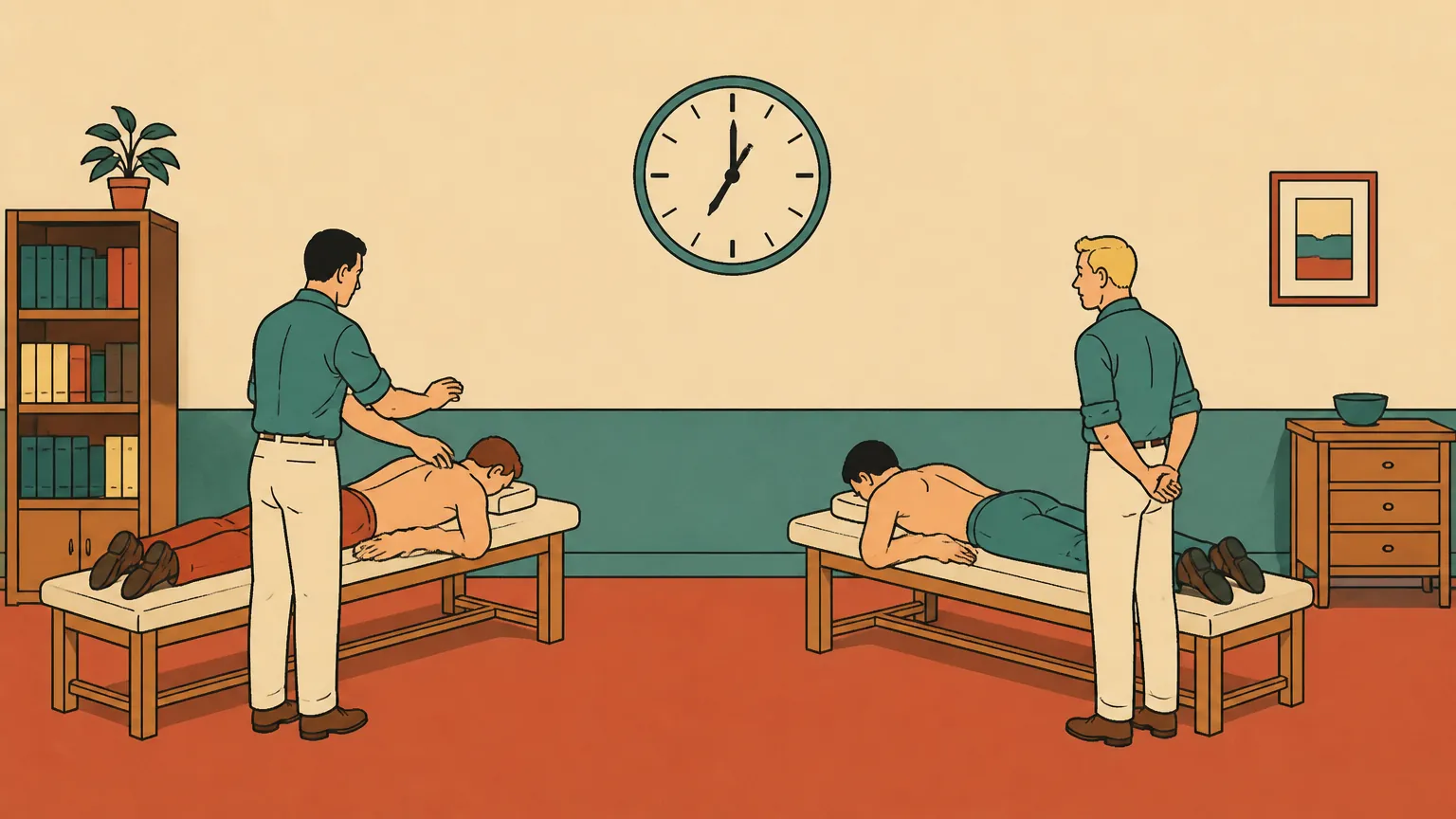
Frederick asks what the Wonders observe in his use of Asimaya, partly because he has promised to write a testimonial and finds it hard to testify about something not tied to cause and effect.
They see expansion, growth, a blossoming of his energy and vitality, a greater connection with those around him, and his mind beginning to get out of the way — though he is still using his mind and trying to figure it out, when there is nothing to figure out.
Asimaya, they say, is a technique that lets the mind go to sleep and thereby opens the connection to the essence of everything.
People who regrow nerves or limbs still use their minds; they simply believe differently, unaware that beneath all belief lies the awareness that they are energy.
Frederick too could grow another limb, except that his mind will not allow it — it perceives that two arms are enough.
What Asimaya does is give the mind something to do while the true self connects and chooses to expand or heal.
They admit they chuckled when giving it, since no technique is necessary to heal, but the mind requires one: every healer, doctor, psychiatrist, alternative practitioner and yogi uses a technique.
Simplifying it to just the word works, but performing the actual technique connects the dots in the mind more strongly, breaking down the mind's sense of limits so it can recognise its full power as a tool and then step aside.
The word Asimaya itself was chosen to reach the base core of awareness in every human being — a state predating the mind's dominance — running right into the DNA and atomic substructure, and they confirm that some of Frederick's choices would not have been made without it.
Other modalities such as Reiki and the Radiance Technique access the same universal energy but through many more filters and in a far more defined and limited way; a Radiance treatment takes an hour, Asimaya two minutes.
Had they simply said 'stand there and allow energy', nobody — not even Frederick — would have done it; the technique is a door he can open and walk through.
Language, translation and the energy behind words ▶ Play excerpt05:07
Frederick, who expects to write mainly in French, asks how someone in China or India could reach the Wonders' material.
They demonstrate by replying in French, noting that English is René's filter, a limitation he has imposed and is working through but has not yet let go of out of fear.
They say they use English because it has a broader perspective and because most languages have no phrase for concepts such as 'I am sufficient'; people in India, China, Germany, Austria and Switzerland all struggle with these ideas.
Most who connect do so with at least some English, and beyond the words themselves lies the energy behind them — closing the mind to the English and opening to the energetic possibility reveals the meaning.
Translation is possible, but they have encouraged René to be the one who approves it, since he is their third-dimensional connection: he could not read Chinese or Flemish, but if it were read aloud to him he would know whether the energy was accurate.
Why the Wonders do not play on fear, and seekers versus entertainment ▶ Play excerpt06:46
Frederick asks how someone without fear can reach people who live in fear, and whether that is why relatively few listen.
The Wonders say they do not come from fear though fear is included in them, and that they can express and even trigger fear — joking that they could announce the world will end tomorrow — but they never play on it or encourage it.
People are less connected to them because they are looking for someone to encourage their fears and take responsibility for them, which is why many other sources are popular.
It makes no difference to them whether one person or a billion listen; what matters is that they express themselves and leave the choice to the listener.
Unlike other sources that want people to change, they do not care: humanity can expand or not, and if not they will simply return another time, as they did with the Nazarene.
Asked why he in particular comes to them, they tell Frederick that beneath 'it just feels right' he is opening himself to the core essence of everything he is: he is a seeker who came into this world to seek awareness, whereas many come simply to live their lives.
Many who call themselves seekers — following one teacher after another, or reading The Secret — actually want entertainment, or want someone to fix their lives, and shelve the material when it does not work.
Humans are good at kidding themselves, but some, like him, tire of it and start looking for something else; humanity will eventually tire of its self-entertainment too, though it will take a while.
Filters, the core self, and the layers of expansion ▶ Play excerpt02:11
Frederick asks whether part of his fear of removing all filters and limits is not knowing whether he could still experience existence; the Wonders confirm it.
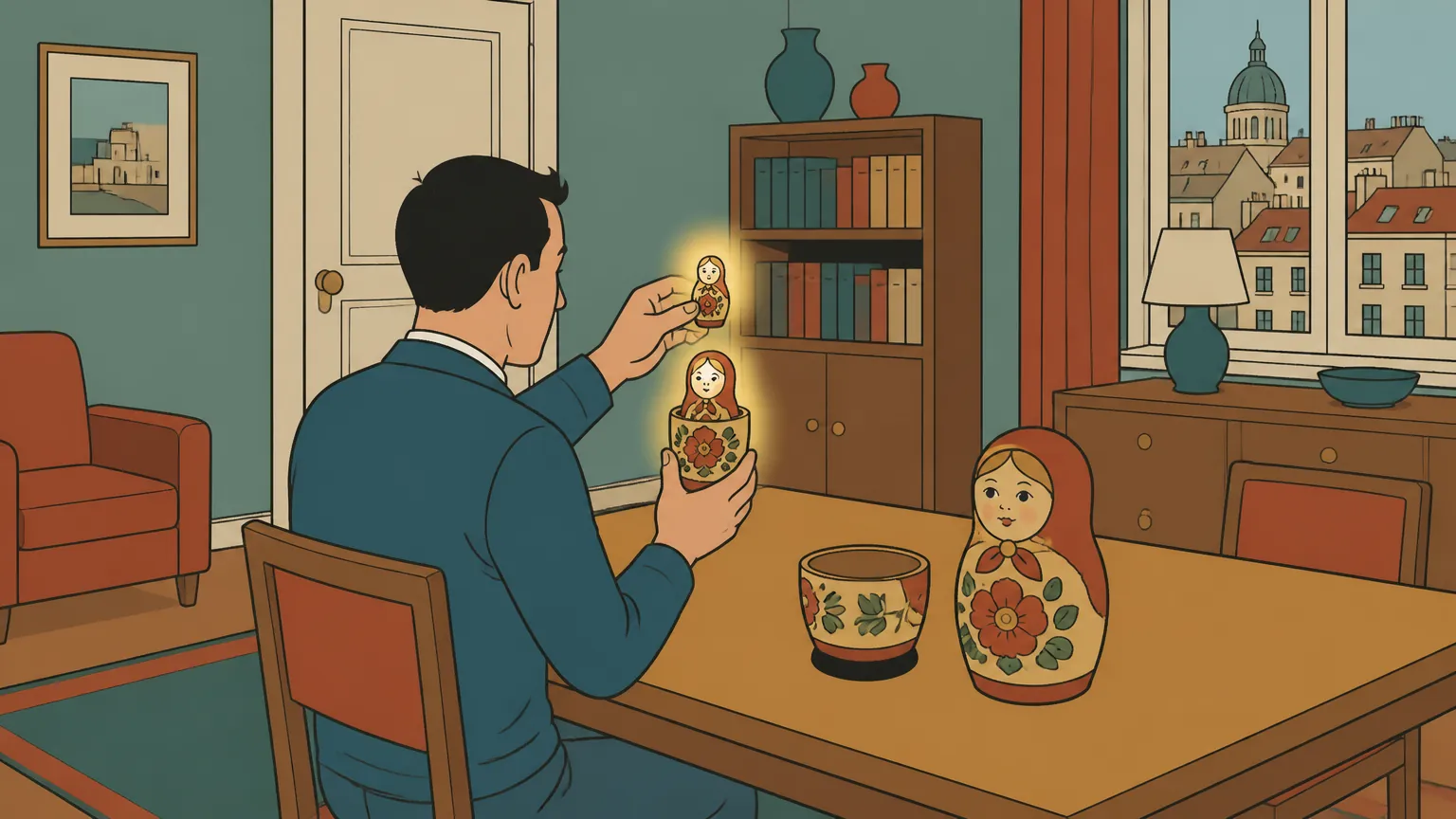
He assumes the core self is without limits, and they correct him: the core self has limits too, because it is an incarnation of an incarnation of an incarnation, and separation still exists between his core self and them.
It is more limitless than the ego personality, but not limitless — otherwise it would be them.
Eventually he will reconnect with them, but only after removing layer upon layer of filters, including those of the core self.
As the ego personality expands, the core self expands, and as that expands its own core self expands in turn, until he reaches where they are.
Writing a book: the need for recognition and writing for oneself ▶ Play excerpt04:18

Frederick asks what advice they would give if he wanted to write the most inspiring book ever.
Their answer is 'choose' — they refuse to supply the subject or title, telling him to go inside himself and write what inspires him, since the most inspiring book ever could just as well be a comic one about farting.
He reframes the question as what he is unaware of that might be blocking his expression, such as his wish to be recognised.
They tell him he is aware of most things but is not letting himself see how easy it would be to let that awareness go.
He likes self-gratification and recognition — it fuels him and gets his juices going in the morning — and for him it is a need rather than something merely accepted; as long as he pushes against the need it will remain.
Instead of worrying about his neediness, he should write from his own life, history, struggle and journey, about what inspires him, and do it for himself rather than for other people, without concern for whether anyone reads it or whether it brings a million dollars or success.
Written as a way of reconnecting to his inner self, it will lead others to ask how he did it — making him a guru for people looking for another methodology, by which time he may not want to be one, though he can still accept the accolades and the money that comes with them.
Creating a context for choice through a playful story ▶ Play excerpt03:23

Frederick observes that giving someone Asimaya creates a context in which they can choose, and asks whether a book could create that same context without being about the technique.
The Wonders say translating the technique itself into a book would be difficult since it was given visually, but that what he really wants is to open people's minds, and there is a way to go beyond a manual: make it a story — playful, humorous, with the intent embedded inside it.
It must be genuinely fun and belly-laughing, because without that people will not connect, and the laughter must never come at anyone's expense; the point is simply to open them to their own belly laughs.
They call it challenging but fun, and exactly the kind of thing his mind enjoys.
Recurring problems with the lights in the house ▶ Play excerpt00:49

Asked whether the household's persistent light problems come from the house or from one of them, the Wonders answer: both of them.
Both Frederick and his partner enjoy playing with energy — to his surprise, she does it too.
The wiring could be improved, but it is mostly their own energy having fun.
Imagination, reality and illusion ▶ Play excerpt05:58
Frederick says he has trouble distinguishing imagination from reality and asks whether reality exists at all if everyone has a perspective.
The Wonders say that as an incarnated human being he does have a reality: time and space exist, gravity exists, a severed arm does not grow back — these define his existence and can be taken to the bank.
From their perspective, however, this is illusion, because they see him as energy formed into a human being rather than as an absolute physical being.
Opening him to the awareness that part of his reality is illusion leads him to make choices he never would have made while holding it as real.
To change that reality they had to fuel his imagination, because he could previously only imagine himself within the terms of his reality — never, for instance, growing a limb.
Now his mind and his self are beginning to imagine more, opening new choices within the reality defined by his mind, by himself and by his core beingness.
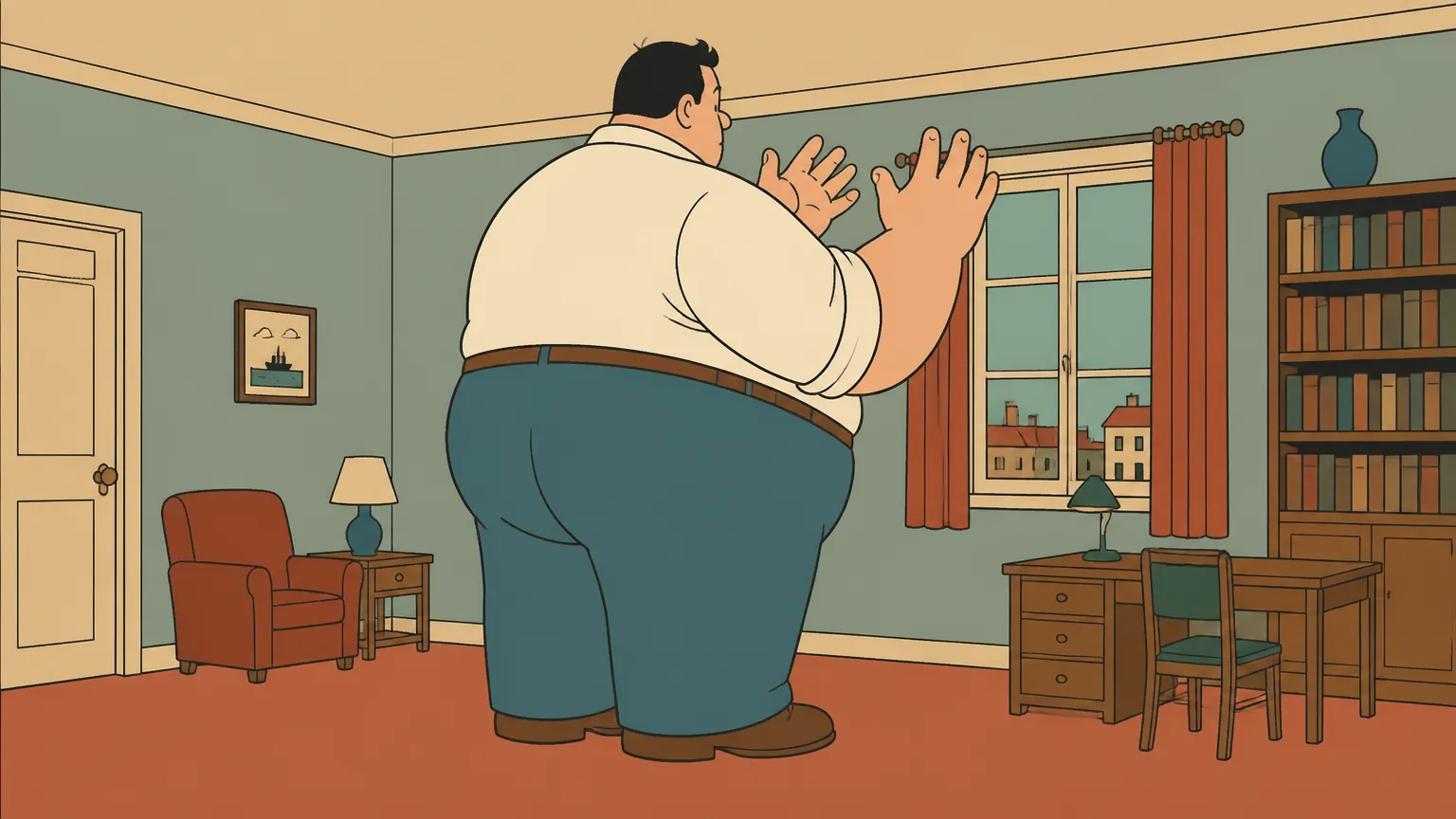
Asked why he sometimes feels his body is too small for him, they confirm he has an expansive sense of self contained in a small vessel: he could enlarge the body to 400 or 500 pounds, with all the attendant difficulties, or he could see himself as an interconnected energy being, enjoying the littleness of the body while enjoying his expansiveness as energy, and imagine himself beyond the body into a reality where different choices are possible.
They tell him that in other lifetimes he has flirted with this rather than actually played with it — flirting being a wink and a nudge, playing being real involvement — and that it is time to get involved.
The mind's interference with the body, pharmaceuticals, and the body's design ▶ Play excerpt08:13
Before Frederick can continue, the Wonders correct an earlier understanding: the physical body is not the creation of the mind.
On incarnating one enters a body that is already there and then creates the mind, which accepts the body — though the mind then does interfere with the body's ability simply to exist.
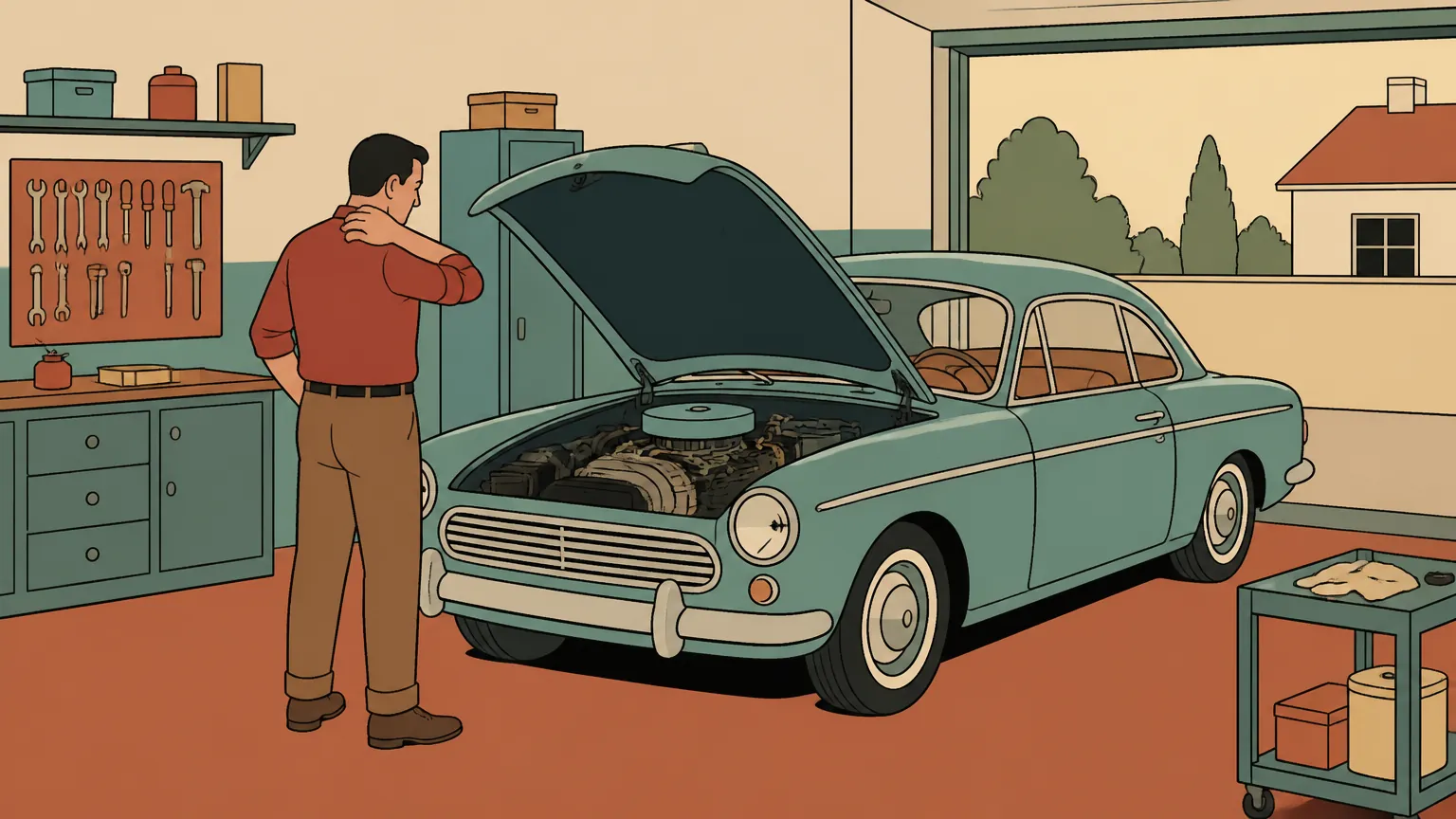
The body can naturally balance itself to health, but the mind's worrying and its judgments of incapacity produce sore and atrophying muscles, stress, tension, hunched shoulders, a misaligned spine, headaches and sciatica, and can create cancer, heart disease, panic attacks and even death.
Asked why he has always been reluctant to take pharmaceutical drugs, they say part of that awareness came from his mind, which did not want the competition since pharmaceuticals force the body in a direction just as the mind does, and part from the self, which recognises that such forcing is often not beneficial.
Nevertheless pharmaceuticals do have a place: if the body is suppressed physically, emotionally, mentally and spiritually and is invaded by a bacterium it cannot handle, an antibiotic may preserve life where a natural product would not be enough.
They never say not to use them, only to use them sparingly — perhaps one case in a hundred thousand is genuinely warranted — because society has made them the norm in place of changing the mind.
A broken arm is better properly reset, since infection can kill.
Frederick realises he has been forcing health with his mind instead, which is also interference.
They repeat that the body was designed to last 10,445 years with no built-in obsolescence, unlike a car, and that it does not because the mind creates death; most people, told of that lifespan, react with dismay rather than seeing the opportunity to explore the universe and still not finish.
Abundance already in hand, and a message for the forum ▶ Play excerpt07:12
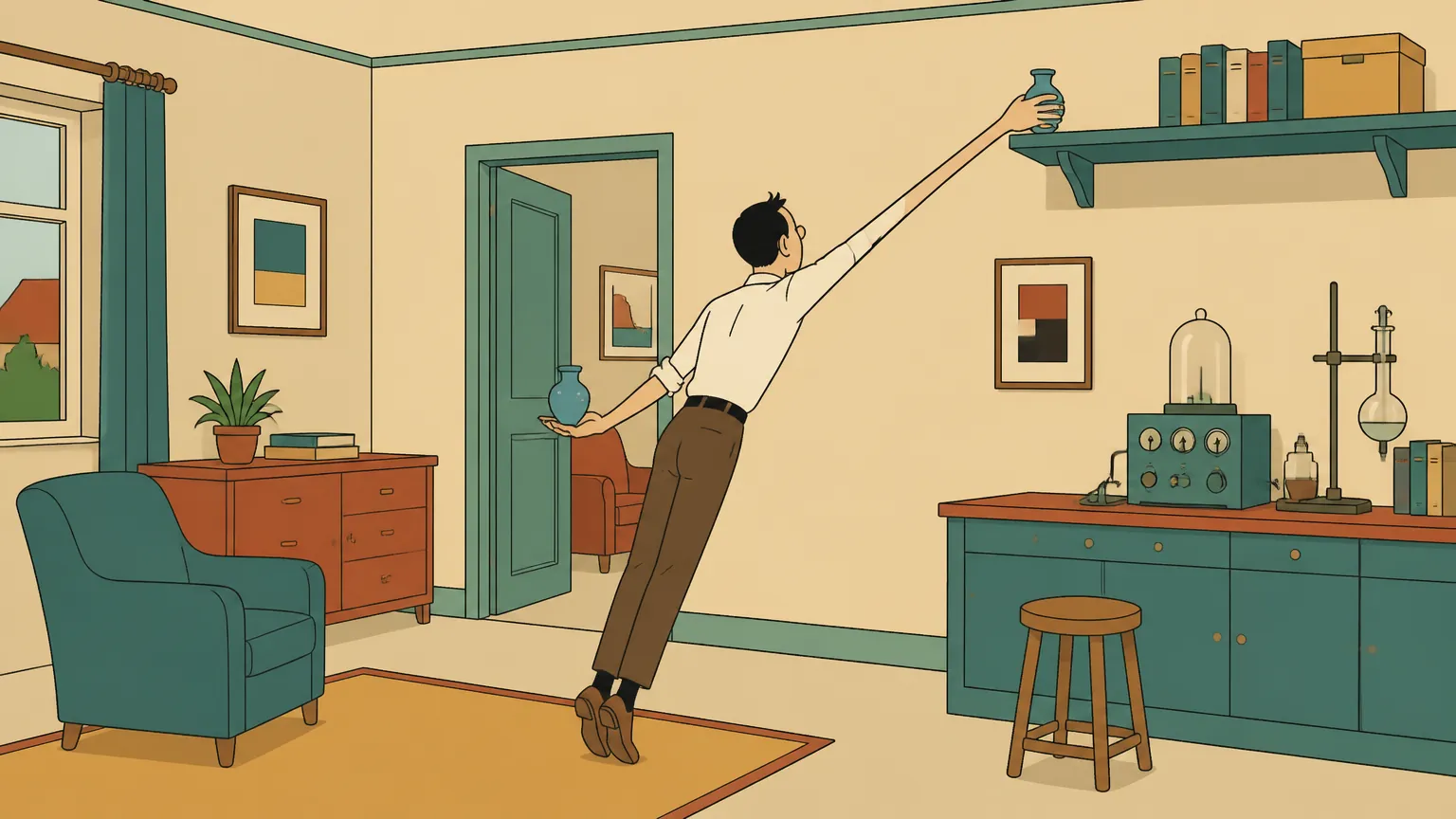
Asked what would be of greatest benefit now, the Wonders ask whether Frederick sees himself as wealthy and abundant, then tell him to go deeper and realise how abundant he already is: everything he seeks is already in his hand, he does not even have to reach for it — he only has to know it is there.
Most people want what they seek at their fingertips, to reach out and grab it.
Shifting this one perspective will at first be frightening, but it opens him to all the defining statements and to creating the reality he truly desires.
Frederick, who posts weekly excerpts of his sessions on their forum, asks for a message for its readers.
Their message: they are all a bunch of scaredy-cats, and there is not one person on the forum who is not afraid of their abundance.
He should share what was said about everything already being in hand, and rather than challenging them — which he would enjoy too much — remind them to challenge themselves to see whether they can change their lives within a week by realising what they hold.
Many on the forum are contracting even while trying to stay expansive; the choice is only to expand or contract, with no middle ground, like being pregnant.
If they expanded, they would quickly realise their abundance and would also attend the next retreat, which they fear: having done the illusions of consciousness, abundance, and sound and vibration retreats, they are dismayed to hear they must still learn to choose consciously — yet attending the retreat is precisely how that would be done.
They describe 2009-2010 as a year of expansion in which they are offering a new way of living that people are afraid of, note the workshops are designed to truly shift consciousness, and acknowledge the financial consideration while observing that everybody thinks money is scarce when it is the most abundant thing in the universe — and as long as it is thought scarce, it will never be seen.