Session 63 — July 2020
Loss of energy, TA-65, and stress as internal resistance ▶ Play excerpt06:20
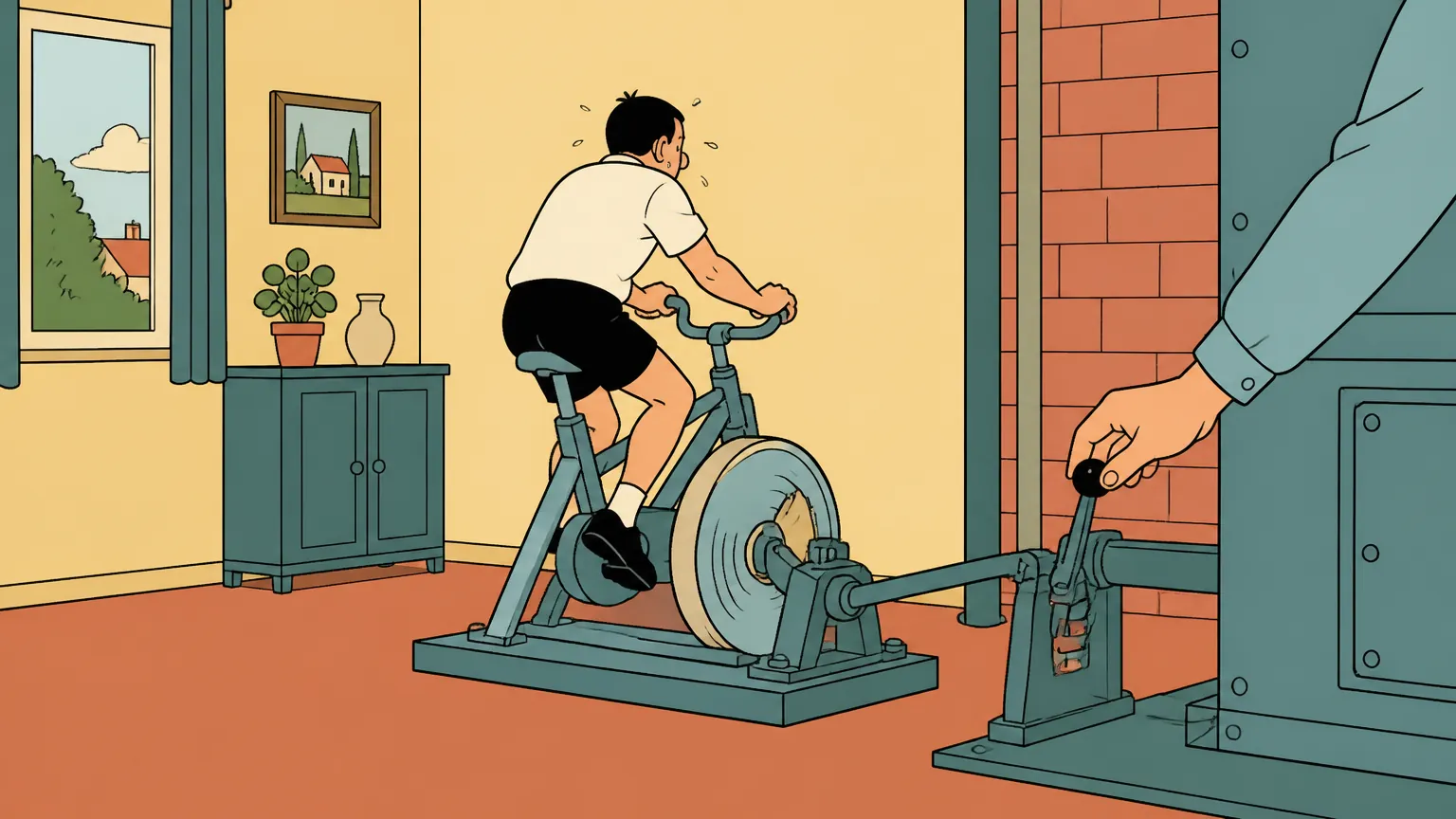
Frederic notes that when he started taking TA-65 about six years ago he felt a large increase in energy, but lately it seems to have no effect, and the formula has changed; he asks whether the product is responsible.
The Wonders say the reformulation is minor and not the main cause; comparable products exist but would need larger quantities.
The real cause is a number of things: he is more stressed than he will admit - stress about being at home, about his daughter, about being together with his wife so much, and even stress from wanting to explore beyond himself.
He wants to explore further within himself while his mind resists, and stress, they say, is simply resistance within the self, which consumes his energy.
His sleep patterns have changed and he no longer feels energized; where life used to offer variety, fun and exploration, he now faces responsibility and a different kind of fun.
The remedy is not the supplement but shifting that resistance in body and mind - seeing the world as an opportunity for playfulness and joy rather than as a list of things he must do.
Frederic recognizes he was very energetic last month when exploring feelings, then got hit with hay fever.
He describes his mind turning what feels immediate and in-the-moment when seen without judgment, fear and guilt into a future challenge requiring planning, which he resists and finds stressful.
The Wonders confirm his mind plans because it is afraid of exploring his emotionality more deeply, and illustrate with an analogy: told to live in Luxembourg to have these explorations he would agree readily, but told to live in Mexico with René and Maggie he would refuse - his mind accepts the direction but dislikes the environment it must move through.
Luck versus choice, seeking more creative people, and starting a consulting practice ▶ Play excerpt12:18
Frederic says there are emotions around the idea of sufficiency: he has always managed to do what he wanted at work, but each time he wants to change he feels it was just luck rather than his own doing, and fears he will not manage it again.
The Wonders ask him what luck is, cite the saying that you make your own luck, and tell him the choices are partly his mind but mostly himself.
They ask whether changing jobs would actually make him happier or is just candy for the mind; Frederic says the real aim is to get out of his comfort zone and meet more interesting people, with a job change as a byproduct.
They suggest he can meet interesting people starting elsewhere, and asks what kind - people who speak his language and are comfortable, or people who make him see differently and will challenge him, noting he both finds challenge interesting and resists it because he wants comfort and ease.
Frederic replies that even people slightly outside his comfort zone are not that different, and the Wonders propose that what he really wants is more creative people to challenge his own creativity, which he will not find in the same places as before.
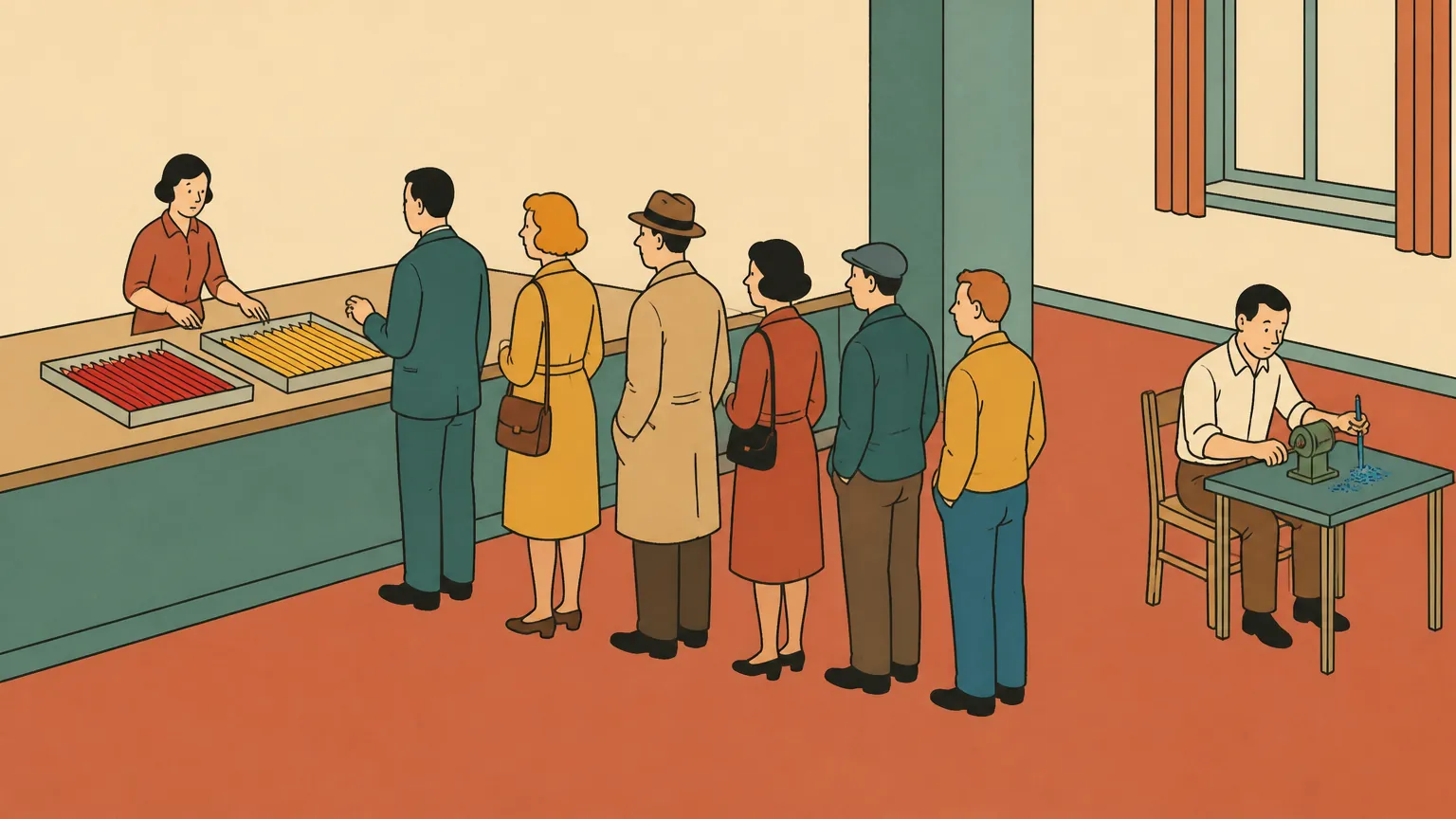
They advise him not to resent the non-creative people around him - the majority of people his age and younger, they say, are unimaginative, told what to do all their lives, their creativity extending to choosing a red or yellow pencil - and to recognize that his frustration signals that he is seeking a more expansive existence.
They urge him to try everything, since trying reveals what he likes and dislikes, and note he finds it easier to know what he does not want.
They point out that he tolerates people at best and would be a poor salesperson, but his real strength is taking a puzzle and resolving it into something better.
Their concrete suggestion is to open a small consulting firm on the side, build a simple website presenting his qualifications attractively, target small and medium businesses - many struggling because of COVID-19 - and offer advice and guidance at modest but non-trivial rates, or even one or two freebies, in order to find out whether he enjoys it, rather than treating it as a whole new career.
If it grows he can build a bigger company and hire salespeople.
They close this by asking him to find tolerance and compassion for businesspeople who do not think as fast as he does, since each is a human being on their own journey.
Inner exploration, not using the mind to discount the journey, and nothingness ▶ Play excerpt08:01
Frederic asks whether inner exploration can have role models the way outer life does, or whether it is a matter of reading more and having only oneself, and admits he struggles because the mind gets involved with fears and judgments.
The Wonders tell him not to use his mind to discount his own journey - that he has struggles, that it is scary, that he is afraid to face things inside himself is real, and dismissing it as 'that's just the mind' devalues something the mind finds very valuable.
Since the mind is the tool he created to explore this existence, it would be wise to let it go deeper into itself to find the psychologies and belief structures stopping it from being the brilliant tool it was created to be, capable of mirroring himself in this world.
When the mind plays its game of discounting, he should tell it to stop, acknowledge the fear, and ask where it comes from, where it leads, and what exactly he is afraid of.
They raise the theme of absolute nothingness discussed in recent study groups and workshops, saying the mind will judge it in order to make something out of it because it fears nothingness as its own death and non-existence - and that finding out whether that is true would be amazing.
Frederic describes what he has explored as the space between thoughts, a stillness or quietness always present, from which everything emanates and which was not frightening; the Wonders point him to their last workshop on the subject.
They say reaching that exploration requires acknowledging the mind's fears and digging until the mind sees they are illusions created at some point by others and by himself, which leads to the two main emotions, love and fear, and to finding the psychology or belief structure that obscures one behind the other.
Frederic asks whether people play a game of believing they can enjoy love more after first experiencing fear; the Wonders ask where that psychology came from, and say digging means asking where it came from, why he chose to think that way, and what benefit that thinking pattern gives him.
Eventually this leads to asking what existed before the mind came into being - and that is the nothingness, which most people avoid for any reason whatsoever, but which some realize the value of exploring, not to create something, but to be comfortable and aware in nothing.
Consciousness in charge of the mind: how the mind stops contracting ▶ Play excerpt04:49
Frederic asks whether there is a way for the mind to stop distracting and contracting - he notices that every time he wants to expand, it contracts - and whether he can command it to work differently, something he has not yet succeeded at.
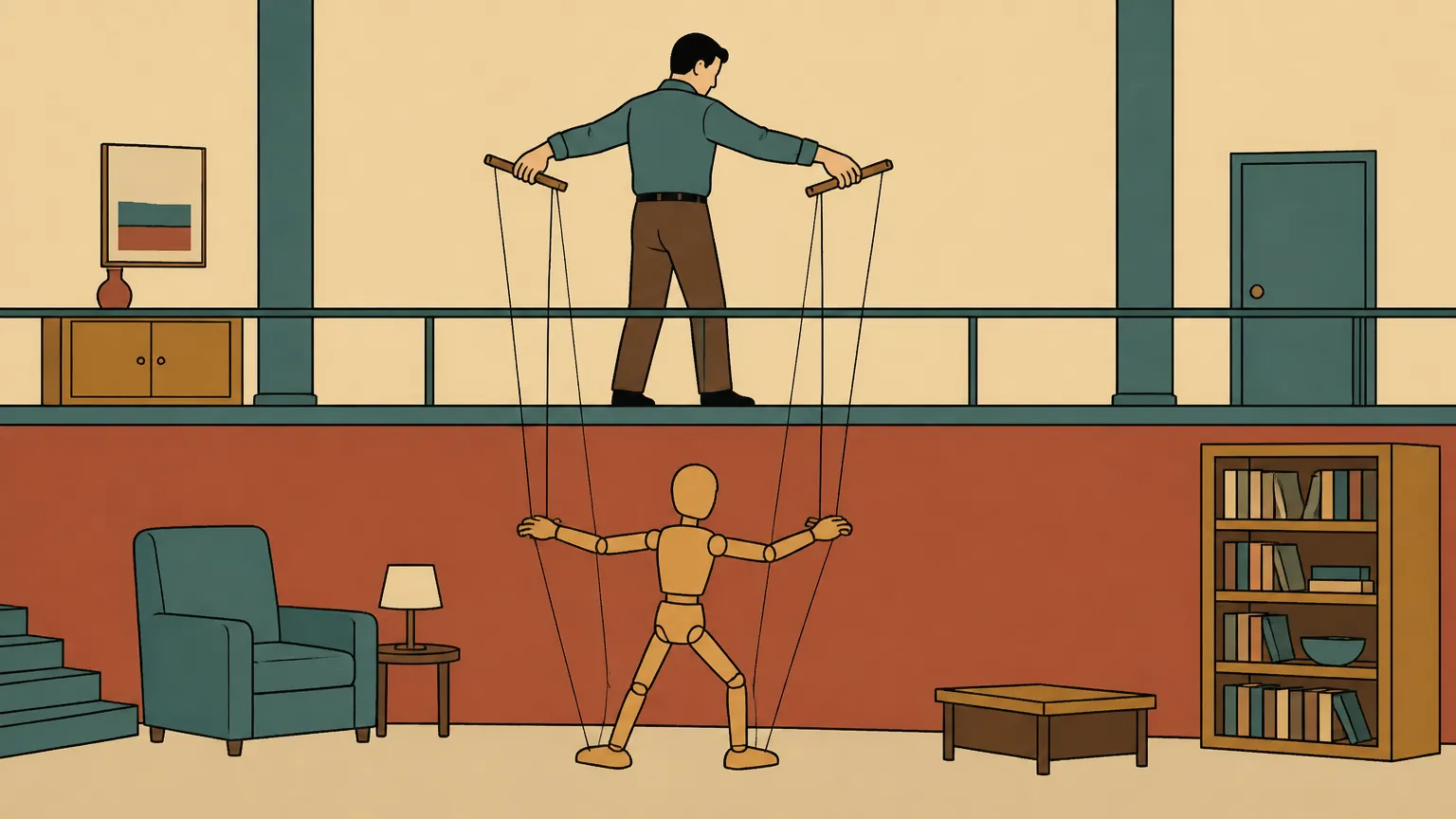
The Wonders answer by placing him as a soul essence incarnate, a consciousness extended into third-dimensional reality, which created the mind as the tool through which that physical realm could be explored, uncovered, discovered and realized.
'Frederic' is part of that tool; the consciousness of who he is must be in charge, and that consciousness is the quiet, sustained inner voice that suggests things to look at and produces the feeling of where to go - the same voice that led him to begin these conversations.
With enough guidance from that consciousness the mind gradually begins to see things differently: he guides it away from judging and toward listening and awareness, showing it each time it does not listen that this is something to change, improve or let go of.
Over time the mind changes its own psychologies and behavior patterns to mimic and reflect the consciousness he is, imperfectly at first, until it finally gives up its need for control.
At that point he lives from his consciousness using the mind as a tool, and the mind itself begins to say it is not afraid, that it is limitless and can make choices, moving in a way that reflects the six defining statements and building a life in third-dimensional reality that asserts choice by choice 'I am this consciousness'.
When that happens, they say, he will realize that nothingness exists in the space between the physical mind and the consciousness, and also on the other side of consciousness - and that is where exploration begins.