
Broadening the goal: is damage reversible?
The Wonders push Frederick to widen his frame: is this really about teeth, or about reversing cellular damage so he can maintain his body — or, as he himself suggests, about manipulating reality?
They warn that focusing narrowly on teeth becomes hard when other parts of the body demand attention, and suggest reframing it as suspending the belief that the body is in a process of deterioration and that damage is irreversible, so the exploration becomes simply: is damage reversible?
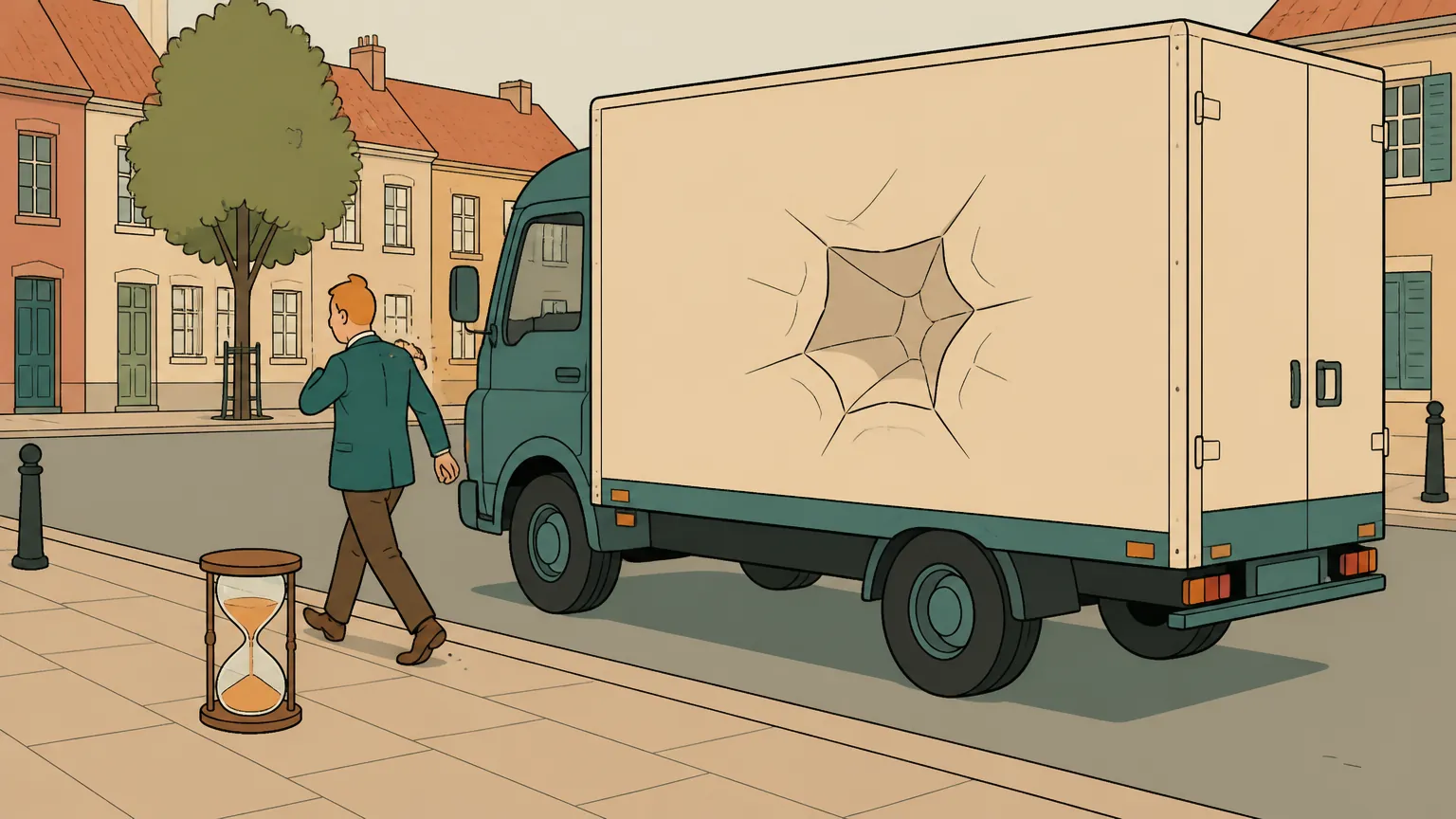
They cite René, whose belief was not that damage is fully reversible but that it could not affect him; hit by a truck, he declared it would not affect him, yet still held a belief in time and chose six months as his frame, so he healed in six — he knew at the moment of choosing that he could have chosen three or one.
They advise against René's method of finding out.
Frederick observes that one never quite gets what one wants; they answer that this reflects one's beliefs, that René got exactly what he wanted when he genuinely chose, and that the universe is a reflection of what one actually believes.
Hence the importance of suspending judgment and observing all the layers of belief in play in every choice.
They add that some belief structures are worth keeping simply because one enjoys being physical in third-dimensional reality — dropping the belief in one's own physicality would mean no longer playing the same game as everyone else — but they can be released once their benefit no longer applies.