Session 37 — February 2018
Blockchain security and government motives ▶ Play excerpt04:34
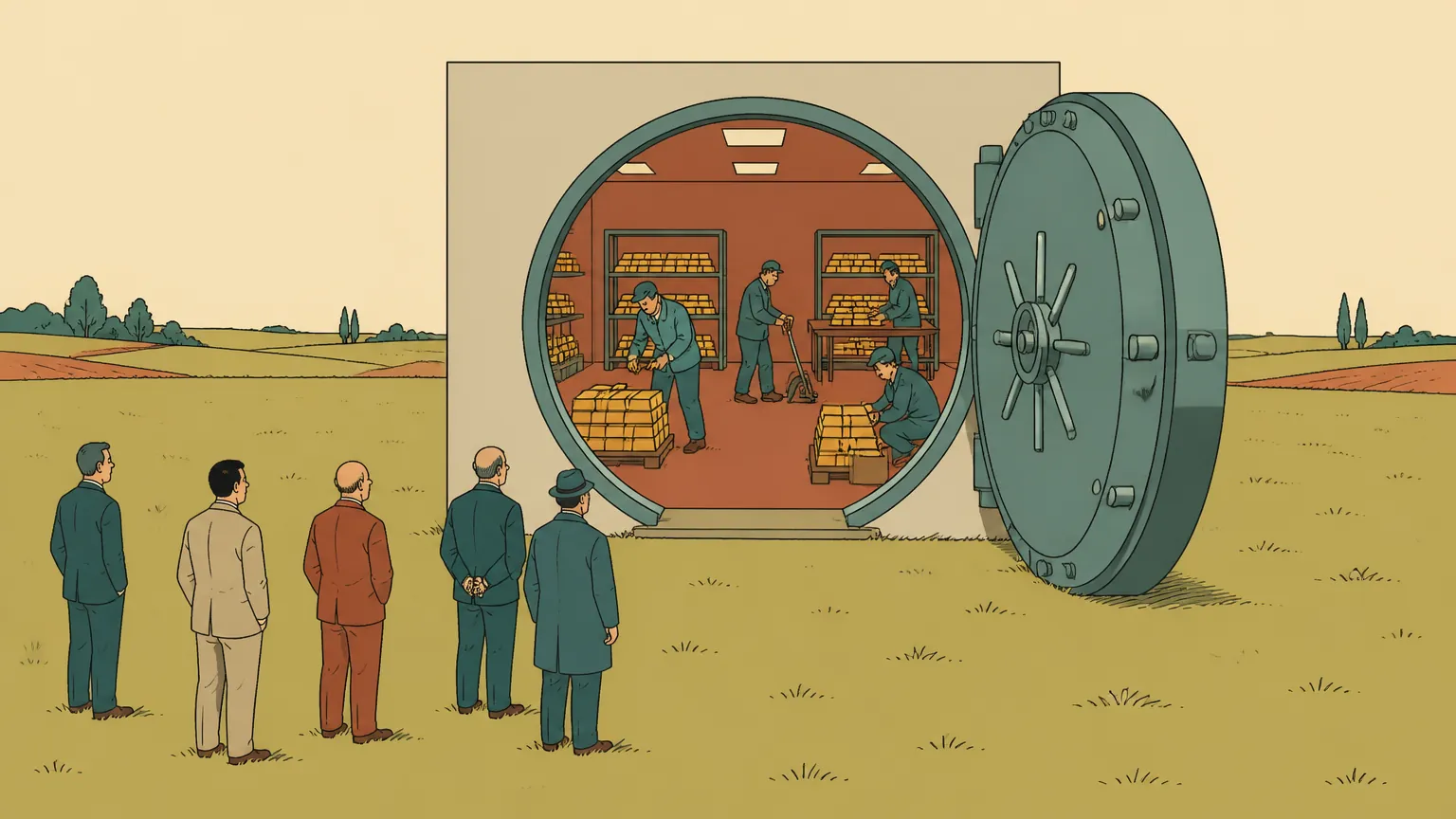
Frederic asks whether the assumption behind blockchain, that people cooperate because fraud would be too costly, is correct.
The Wonders answer no: blockchain is one of the most targeted areas for hackers, who have already hacked a number of exchanges and continue to do so, and they say it is not an area for anyone to invest in.
They add that the movement is not driven by individuality, despite the attention given to Bitcoin's creator, but is being fuelled and supported in a grey way by governments around the world seeking to avoid relying on the gold standard as a means of creating wealth.
It remains an experiment, watched closely and not yet as supportive as governments would like; if stability can be assured, governments will jump on board quickly, since they would prefer the illusion of standards to real gold-standard values.
On the technology, they say the computing power already exists and is efficient, but if governments become involved it will run on their highest supercomputers, creating a standard governments can control while individuals remain exposed to criminality, which is why artificial intelligence is attractive to governments.
They note criminals are typically ten steps ahead, that hackers improve every time protections are built, and that technology will never overcome the creativity of individuals.
Artificial intelligence, creativity, and control of currency ▶ Play excerpt05:41
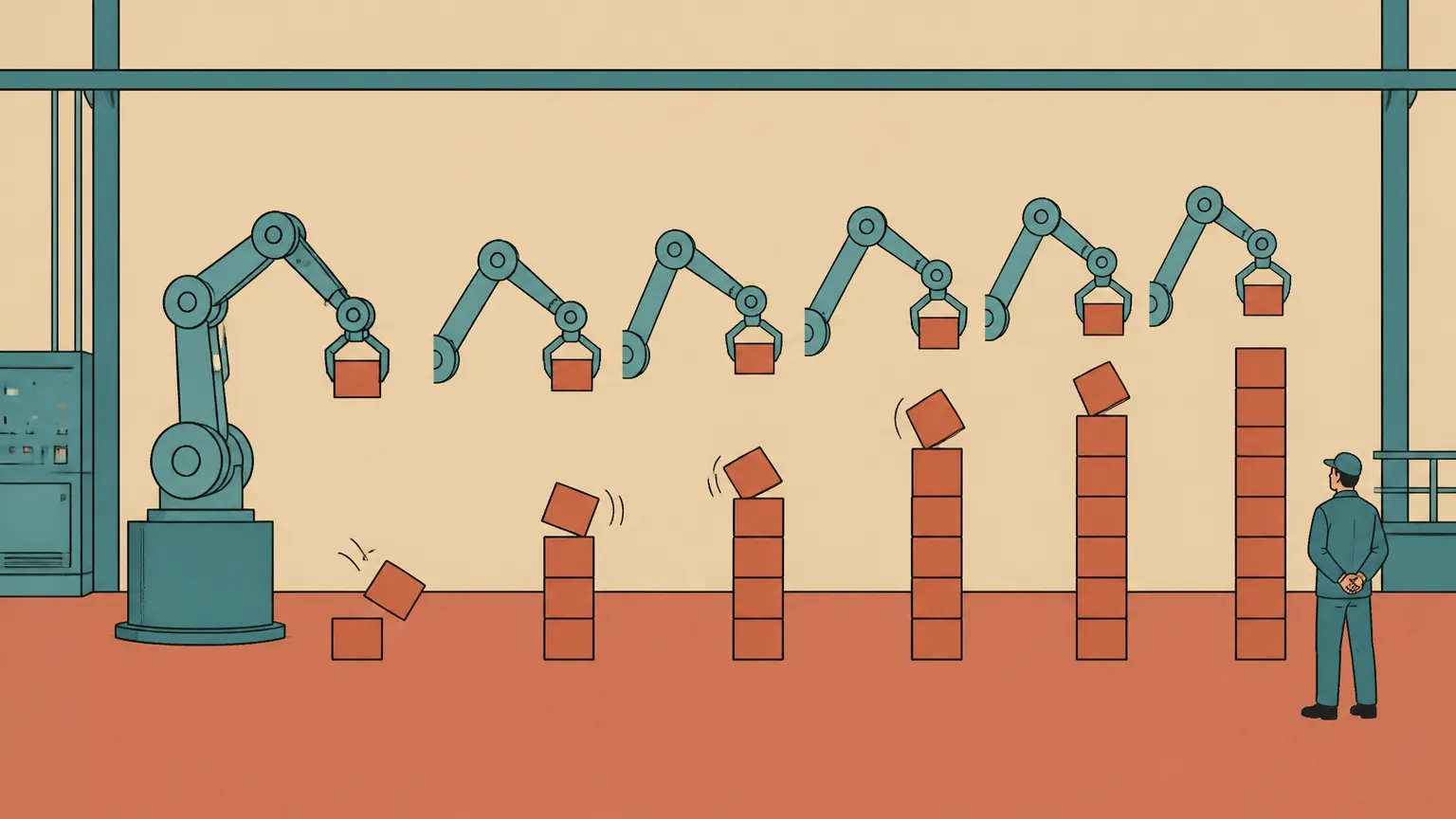
Frederic argues that current AI is brute force and narrow, limited to what is programmed.
The Wonders agree it is brute force and repetitive at this stage but say true artificial intelligence using carbon-based computing is being developed now.
They define the concept of AI as self-taught reflection: it finds a mistake, learns from it and does not repeat it, whereas humans often do repeat theirs, and this is why governments invest so heavily.
When Frederic objects that it must still be told what is a mistake, they say it is developing the ability to analyse through reflection and will come to define for itself the cost-benefit ratio of every choice.
Asked whether it could become creative, they say creative to a degree, sufficient to define cost-benefit ratios from predefined analysis, eventually analysing its own ratios and probably developing its own perspective, which would be true intelligence, though they stress this is not a Terminator machines-take-over scenario.
They link this back to currency: just as gold was once a free-for-all until governments required all gold to be surrendered and used it as a guarantee of currency rather than as currency, governments now want computerised standards as the value of currency, which is why blockchain is increasingly attractive and why they seek supposedly hack-proof AI.
Frederic notes such an assumption is still hackable, and they agree, adding that humans are hackable too, since offering someone a cost-benefit ratio in their favour is enough.
Timeline, countries involved, and investment prospects ▶ Play excerpt04:25
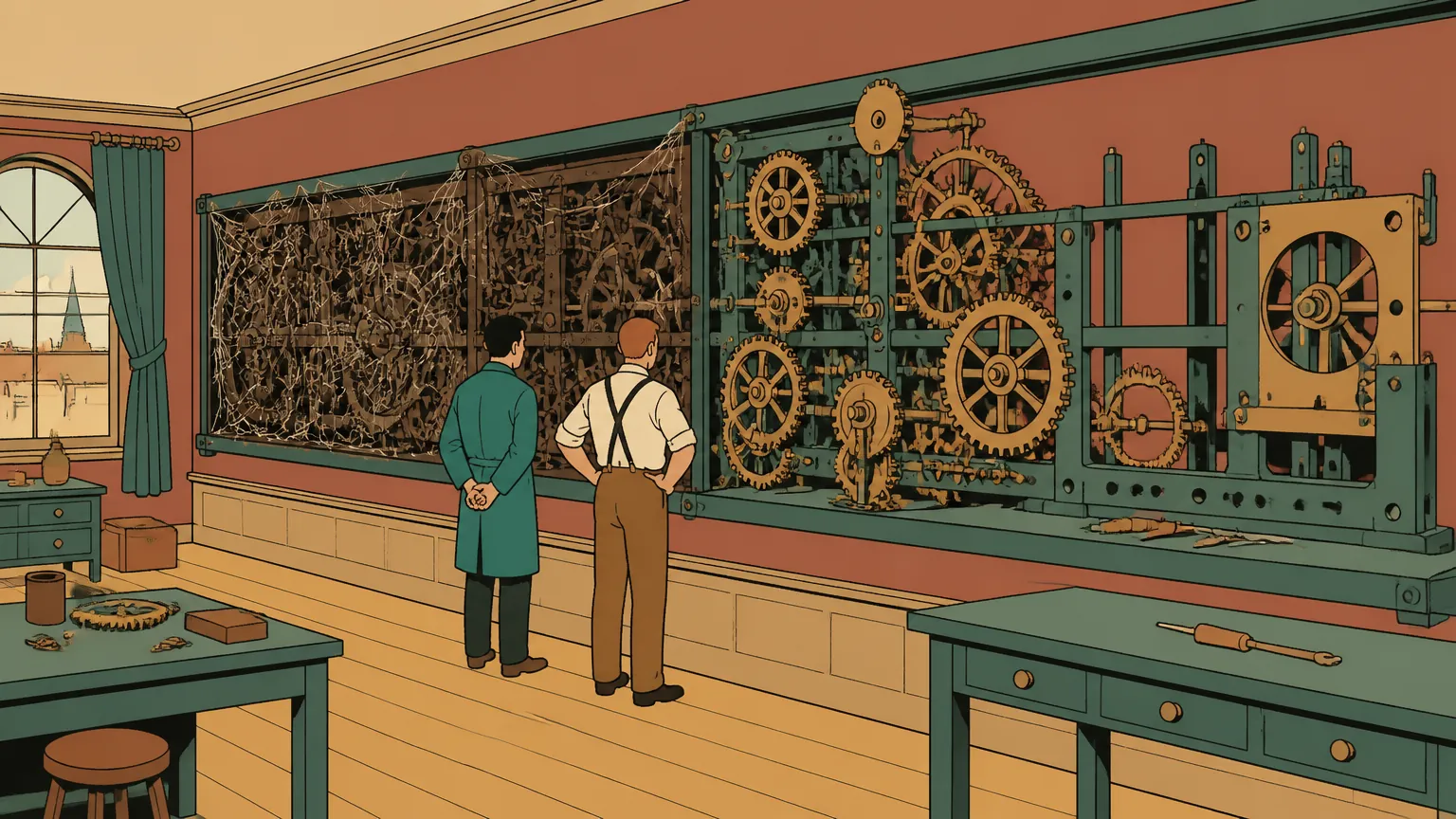
Asked how long this development will take, the Wonders list the governments working on it: the European Union, particularly France and England, Germany less so and on a different track, plus the United States, China, Russia and, less systematically, India.
They estimate 50 to 100 years before the gold standard is fully removed, depending on which country ends up dominant.
When Frederic doubts the capability of the programmers he has met, they tell him he has not met the best ones, who pursue it as an academic mind game without limitations.
They say this is not a doomsday scenario, but governments and rulers must decide how far they will use the emerging standard to define wealth and prosperity, and that a whole new field of economics will develop, since blockchain will shift things so fast that economists must change how they see economic movement.
They confirm there will be applications, companies and money-making opportunities, and equally opportunities for loss, but repeat that they cannot recommend investing in blockchain technology at this stage because it is volatile and not yet secure enough to ensure continuity of wealth.
Relationship to group consciousness ▶ Play excerpt00:33
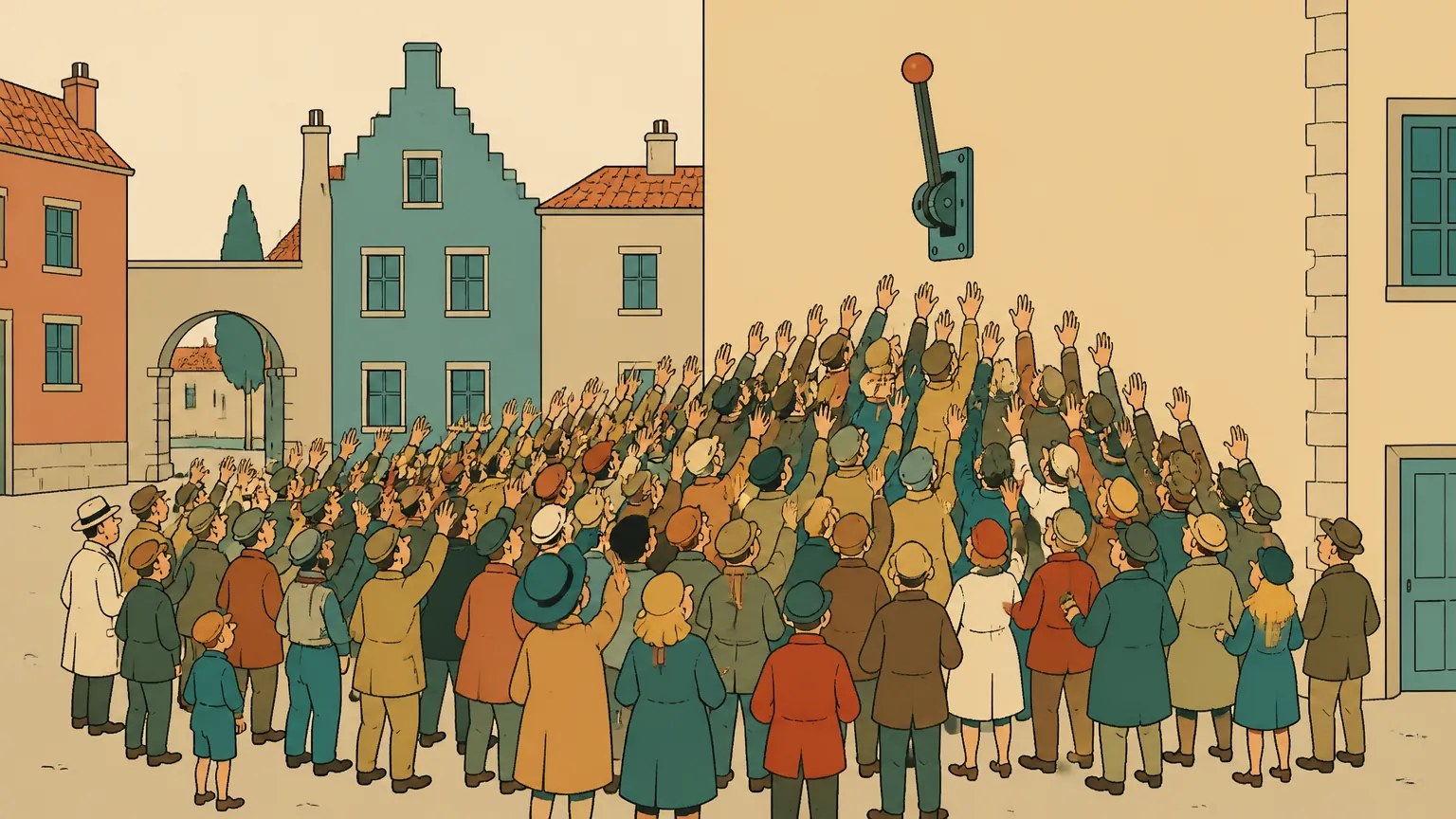
Frederic asks how all this relates to group consciousness.
The Wonders answer that in group consciousness everyone is looking for the easy solution while maintaining control, so there is a collective drive for control and ease, and the hope is that this technology will provide it.